
Most iPad media pain comes from inconsistent import tools, not file size.
Who this kit is for
- You import photos or video from SD cards to iPad.
- You want a predictable "copy, mirror, export" routine that does not change per project.
- You are tired of random hubs, flaky cables, and mystery transfer issues.
Recommended kit
1 SSD: Samsung T7
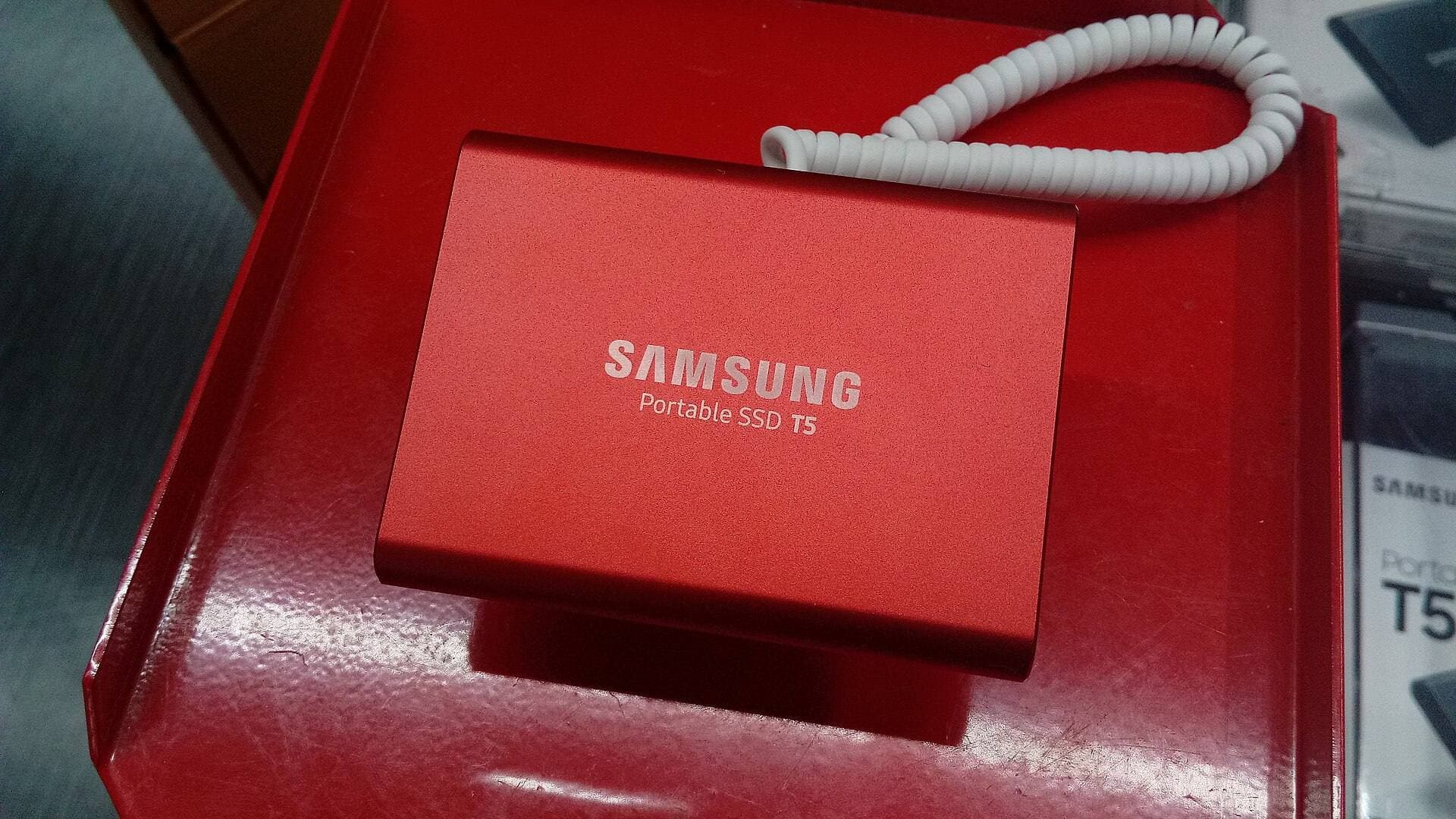
Pick one SSD and make it your default mirror drive. The Samsung T7 is a simple, widely used portable SSD option for iPad workflows.
- Use it as your same-day mirror for every project.
- Keep one folder structure on it forever.
- Label it clearly so it never becomes "one of many drives."
Tip: If you are unsure on capacity, start at 1TB and move up if you routinely keep large projects active at once.
Samsung portable SSD lineup: [2]
1 reader path: choose one and stick to it
You want one primary SD import route. The goal is fewer variables.
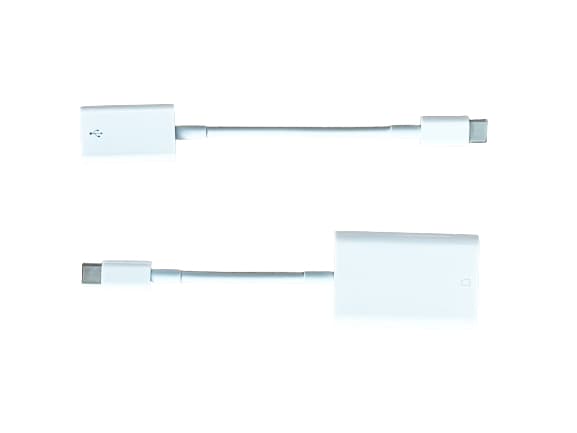
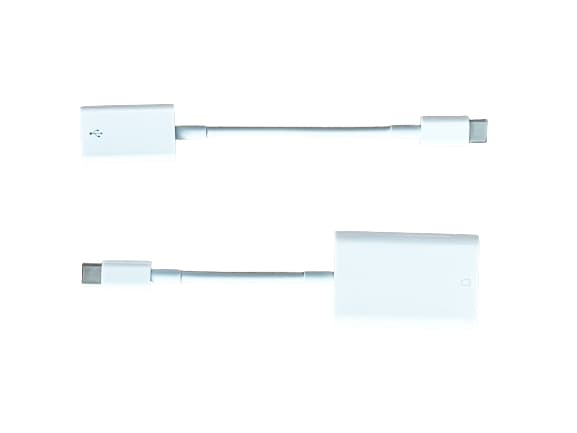
Option A: Apple USB-C to SD Card Reader
- Best when you want the simplest SD-to-iPad connection with minimal setup.
- Good default if your iPad uses USB-C.
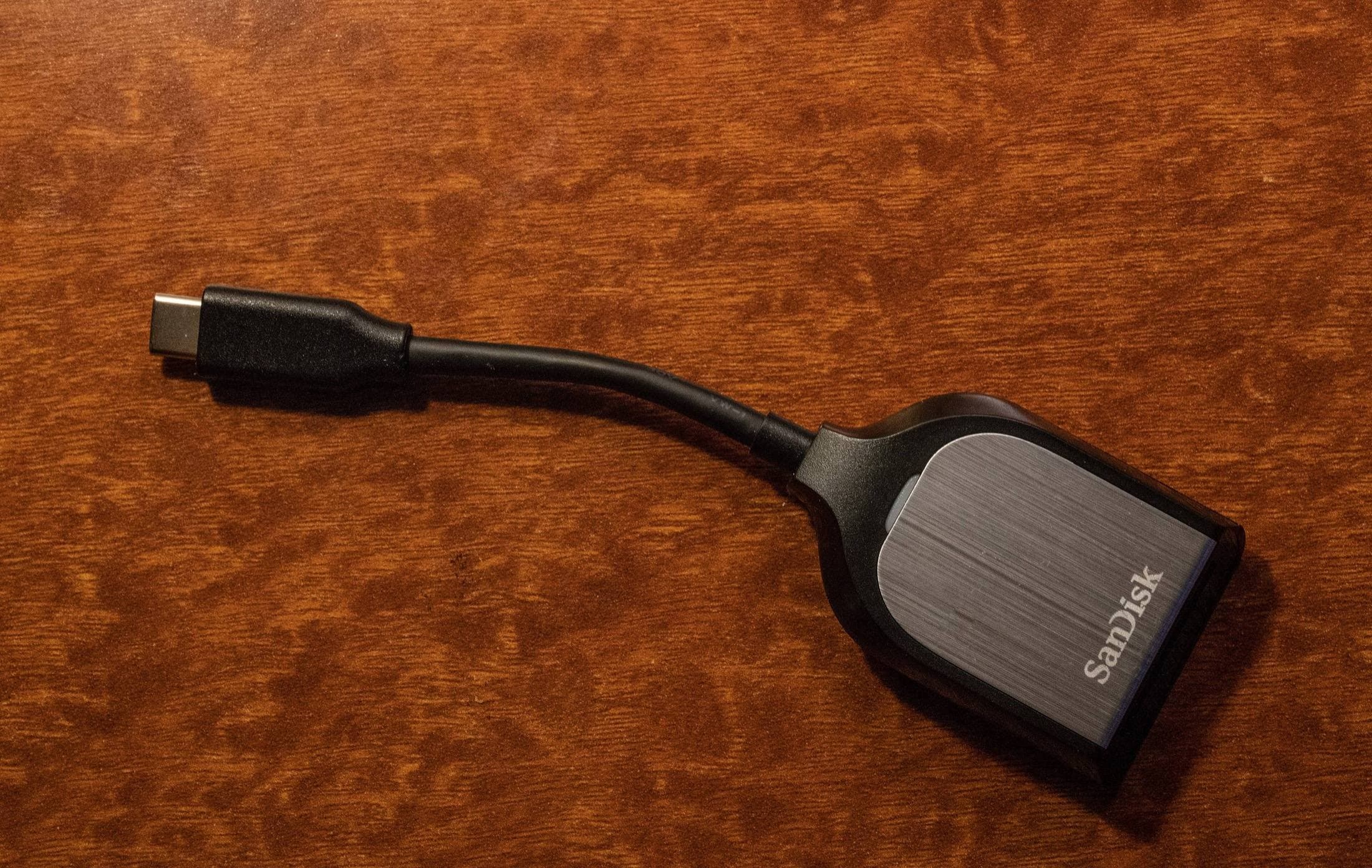
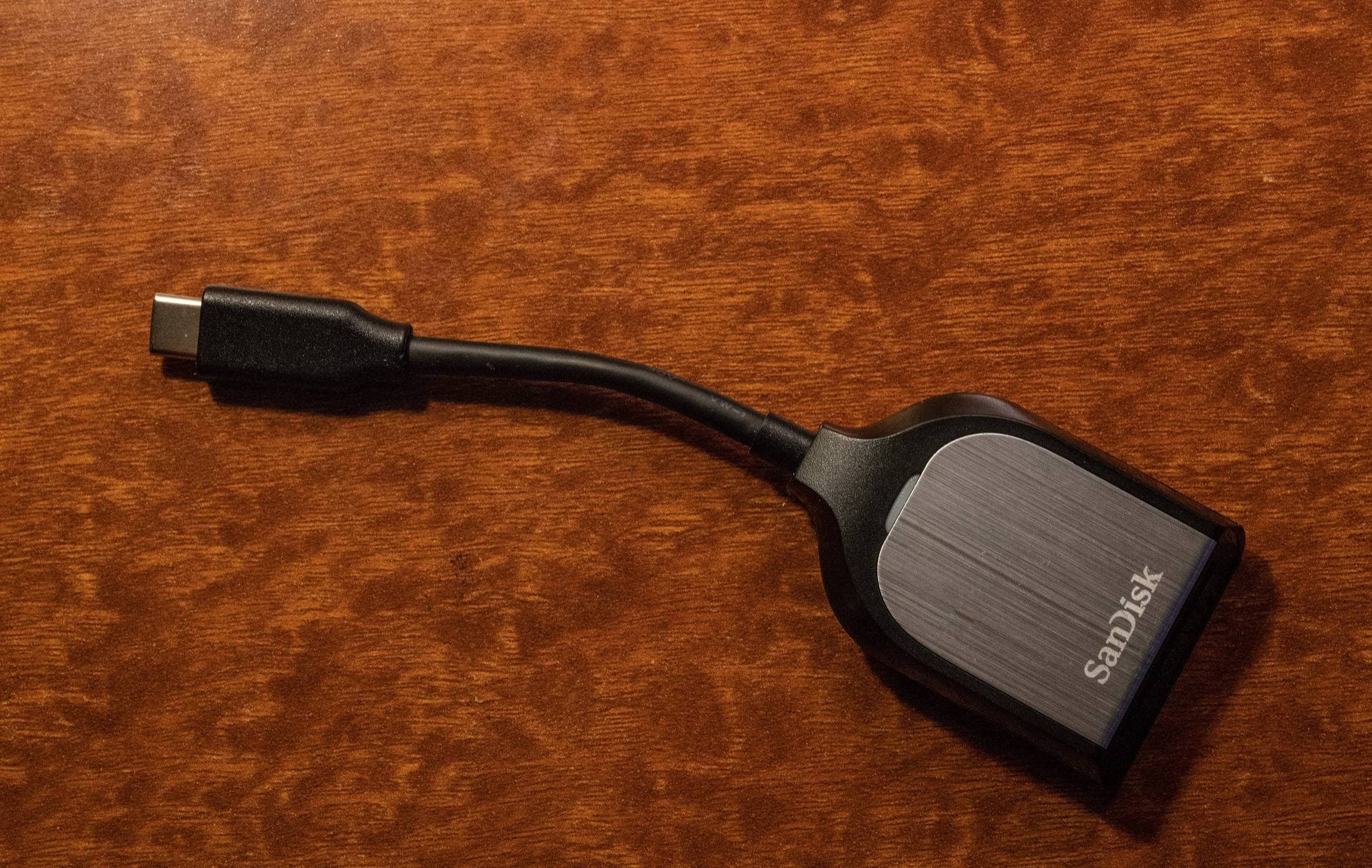
Option B: SanDisk Extreme PRO SD Card Reader
- Best when you prefer a dedicated reader you can leave in your kit bag.
- Good if you swap cards often and want a single "always works" reader.
Apple’s external storage guidance: [1]
The repeatable workflow
Do the same steps every time. The "boring" routine wins.
- Create a project folder on iPad before you import.
- Import from the card into the project folder.
- Mirror to the SSD the same day.
- Export and deliver from iPad as usual.
- Weekly cleanup: archive finished projects to SSD and keep iPad storage lean.
Folder template
Use a structure you can apply without thinking:
/Projects /2026-02 ClientName ProjectName /01_INCOMING /02_WORKING /03_EXPORTS /99_DELIVERED
Code
Keep the same structure on iPad and on the SSD. Mirroring becomes trivial.
Buying checks before you click Buy
- Port match: confirm your iPad port and the reader you are buying match (USB-C vs other).
- Card match: confirm the reader matches your camera media (SD vs microSD with adapter).
- Cable sanity: use a data-capable cable for the SSD, not a charge-only cable.
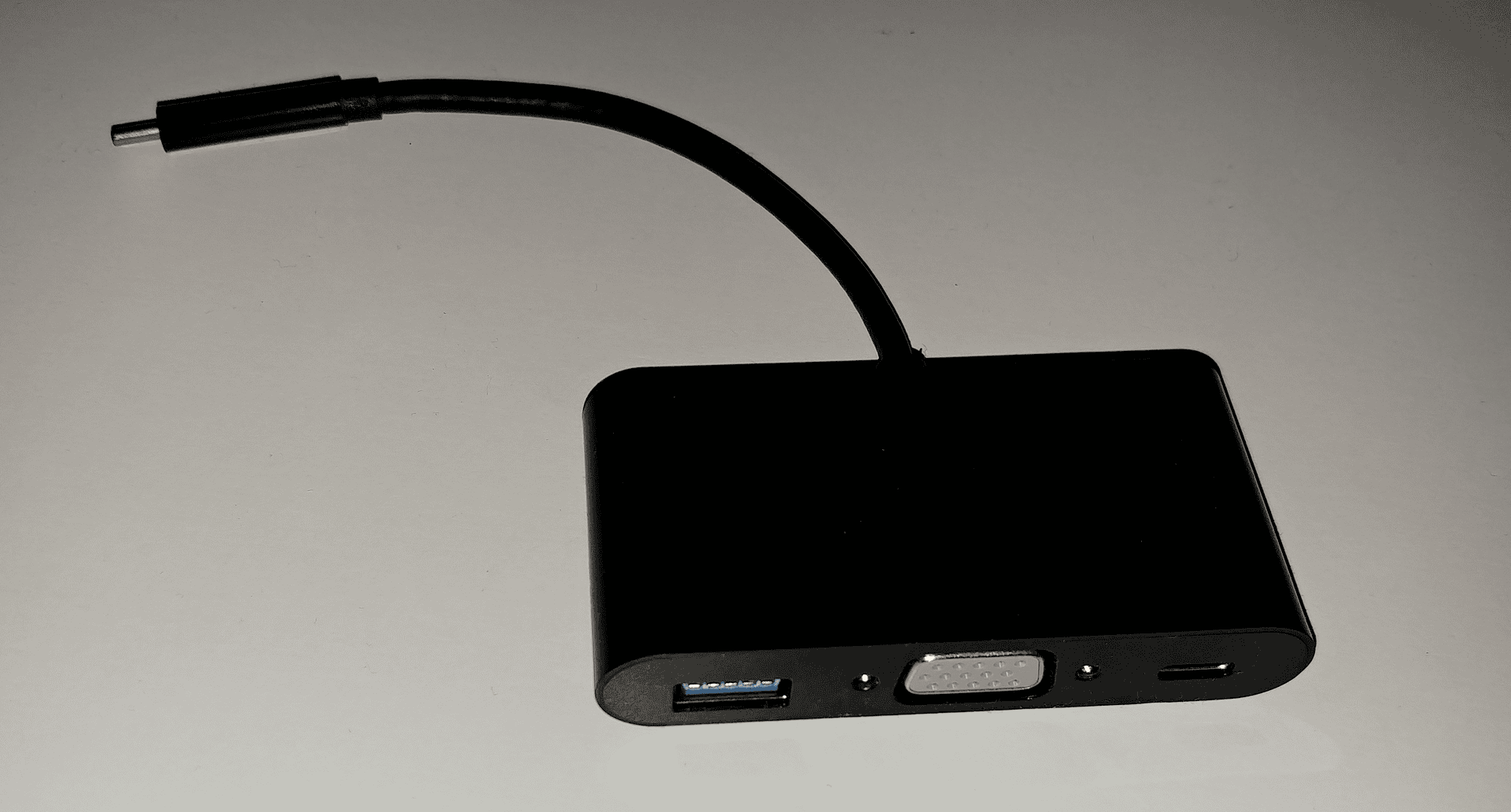
- Power sanity: if you add a hub, test it with your exact SSD and reader before real work.
- One full rehearsal: run a complete import and mirror cycle on a sample card before client work.
What to buy today
- Starting from scratch: Samsung T7 + Apple USB-C to SD Card Reader.
- If you already have a reader you trust: buy the Samsung T7 and standardize your folder structure.
- If you already have an SSD you trust: choose one primary reader (Apple or SanDisk) and stop rotating adapters.
Bottom line
Pick one SSD and one reader path, then repeat the same import and mirror process every week with zero exceptions.
Product visuals
Practical decision framework
If you are buying for Best SSD and Card Reader Kit for iPad Creators (2026), use this sequence: define your weekly use, pick the minimum gear that removes the bottleneck, then hold the setup steady for two weeks before buying anything else. This avoids high-cost accessory churn and keeps your spend tied to actual output. For Creators importing camera media and maintaining regular iPad backups., this usually means testing samsung-t7, sandisk-extreme-pro-sd-reader, and apple-usbc-sd-card-reader in real sessions before adding new parts.
Budget protection rules
Use clear rules so your cart stays profitable:
- Buy only for a repeated bottleneck, not a theoretical one.
- Keep one primary setup and one backup path, not three competing versions.
- Replace unstable components quickly; do not normalize intermittent behavior.
- Track what you used in the last two weeks and remove dead-weight gear.
These rules improve conversion quality because they align purchases with real use and reduce return-risk behavior.
14-day implementation plan
Days 1 to 4
Run your baseline setup and log the top three friction points.
Days 5 to 8
Apply one targeted fix and keep all other variables unchanged.
Days 9 to 11
Stress test in your real environment (desk, travel, and one public workspace).
Days 12 to 14
Lock the setup if friction is reduced and remove any accessory that did not materially help.
Common purchase traps
Trap 1: Buying by specification anxiety
Fix: buy for your current weekly workload and delay upgrades until constraints repeat.
Trap 2: Overpacking accessories
Fix: keep only items that save time at least three times per week.
Trap 3: No maintenance policy
Fix: do a weekly reliability check on cables, charging behavior, and attachment points.
Trap 4: Changing too many things at once
Fix: test one upgrade at a time so results stay measurable.
Extra scenario: high-pressure deadline window
For Best SSD and Card Reader Kit for iPad Creators (2026), keep the lowest-risk path active when deadlines are near: stable setup, no new experimental changes, and one backup route for critical actions. This protects output velocity and reduces failure risk when timing matters most.
Extra scenario: travel or mobile environment
When working outside your main desk, reduce variables. Use your known-good kit, keep cable and power roles fixed, and avoid adding untested components mid-session. This improves consistency and protects session completion rates.
Extra scenario: handoff and collaboration
If your workflow includes sharing files or handing off assets, validate export and sync behavior before the final window. Reliability in handoff steps often matters more than small gains in tool speed.
Extra scenario: maintenance week
Schedule a short maintenance pass each week: verify connections, refresh baselines, and remove dead steps from your setup. Small maintenance habits prevent recurring disruption and preserve long-term workflow quality.
Sources
Recommended gear
Samsung T7 Portable SSD
amazon.comOne of the safest SSD buys for iPad creators. Fast, stable, and easy to trust for backup routines.
Pro: Fast and reliable backup drive
Con: Extra cable to carry
Choose capacity (1TB/2TB) based on project size.
SanDisk Extreme PRO USB-C SD Reader
amazon.comPro: Reliable UHS-II import performance
Con: Single format focus
Best when your iPad supports USB 3 or faster host speeds.
Apple USB-C to SD Card Reader
apple.comPro: Strong compatibility with iPadOS import flow
Con: No built-in microSD slot
Simple and stable option for SD workflows on iPad.
SanDisk Extreme Portable SSD
amazon.comPro: Rugged and compact
Con: Can run hot under heavy copy
Good for large Procreate backup workflows.
Anker 341 USB-C Hub (7-in-1)
amazon.comA strong everyday port hub for iPad workflows. Good value and layout, with expected bandwidth limits.
Pro: Solid all-around port mix for iPad setups
Con: Not Thunderbolt bandwidth
Check host power pass-through and display output before buying.
Related buying picks
More in this collectionBuyer guide
Best SD and microSD Card Readers for iPad Creators (2026)
Card reader speed on iPad depends on card bus, reader bus, and iPad port limits. Buy for your actual ingest workflow, not label hype.
Buyer guide
External SSDs for iPad Artists in 2026: What Works in Files
Practical guide for iPad artists: external SSD picks, how Files handles drives, what fails, and a simple Procreate backup routine you can restore.
Buyer guide
Portable iPad Keyboard Travel Kit (2026): Write, Sketch, Pack Fast
How to build a portable iPad writing and sketch kit for cafes and transit, including keyboard format choices, setup flow, and compatibility checks.
Buyer guide
Travel Charging Setup for iPad Artists (2026): One-Bag Power Kit
A travel charging setup works when charger, power bank, and cables have fixed roles and you run the same simple routine at airports, hotels, and cafes.