
Travel days expose every weakness in a charging setup.
At home, you can recover from bad power decisions because your main charger, extra cable, and outlet layout are predictable. On travel days, that safety net disappears. If your kit overheats, splits power poorly, or fails to reach awkward outlets, you lose drawing time fast.
The best solution is not a huge accessory collection. It is one compact, repeatable power system that works in airports, cafes, hotels, and shared workspaces.
The 3-piece travel power kit that works
Your baseline travel kit should be:
- one 100W-class USB-C Power Delivery wall charger,
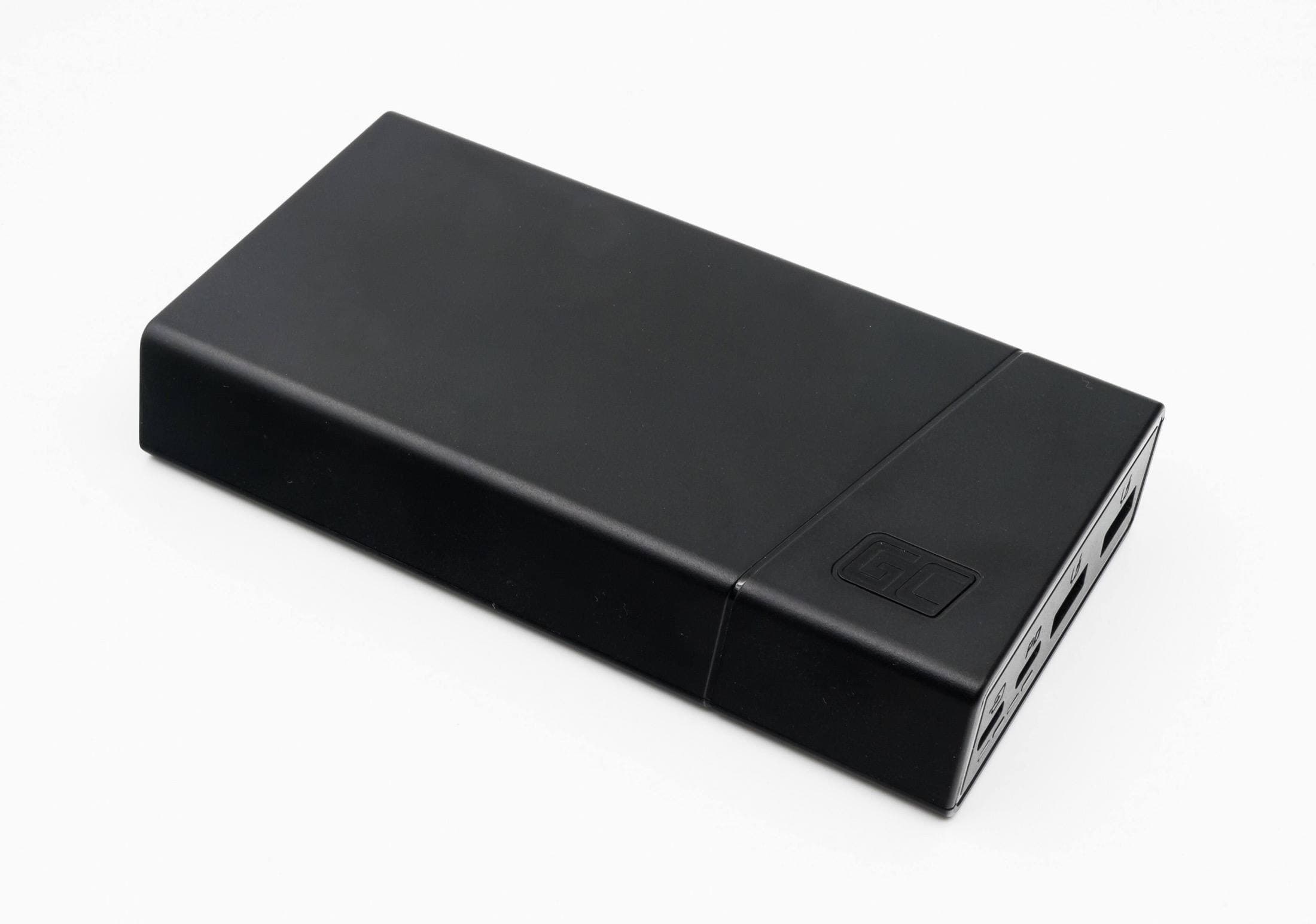
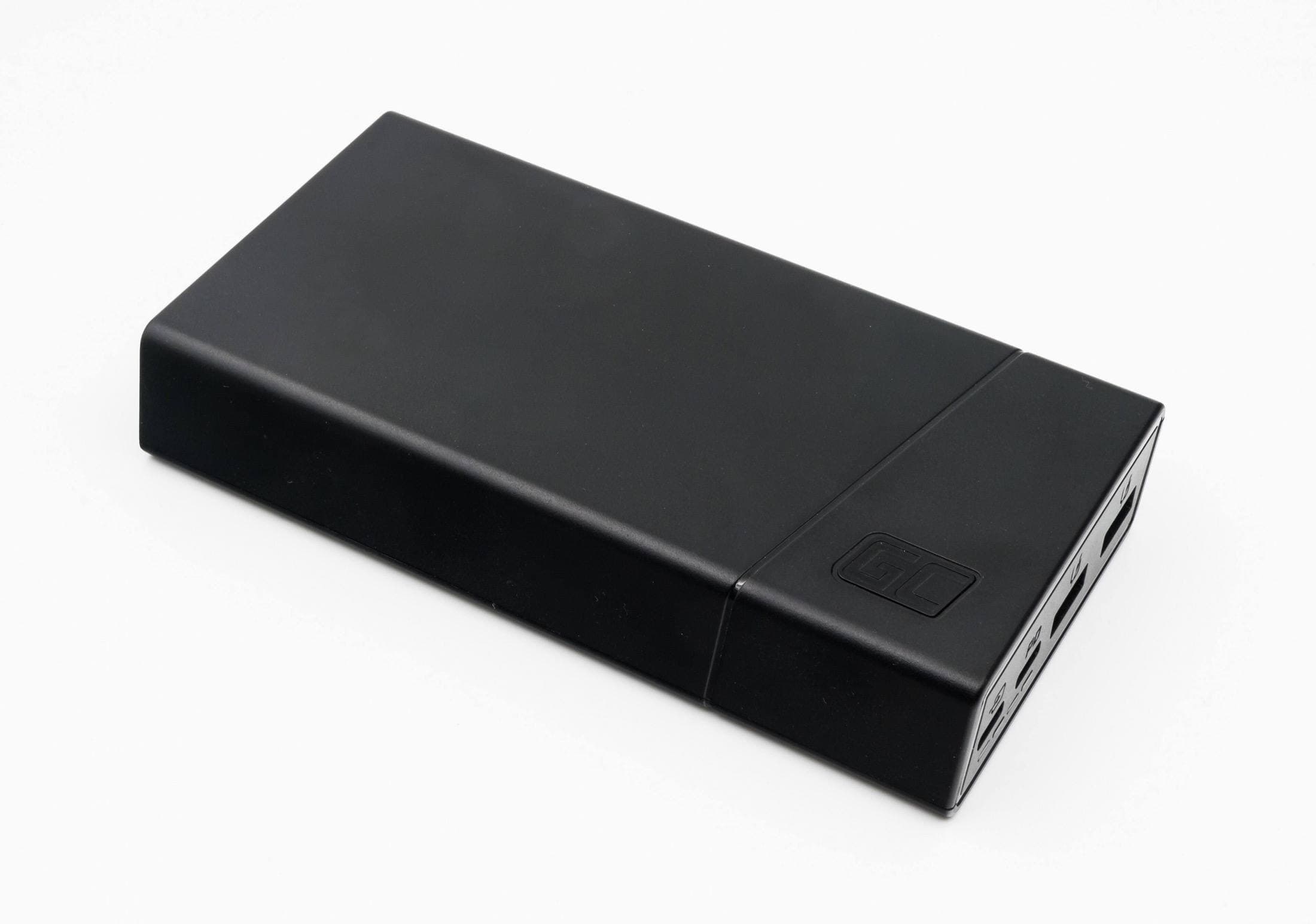
- one high-output USB-C power bank,
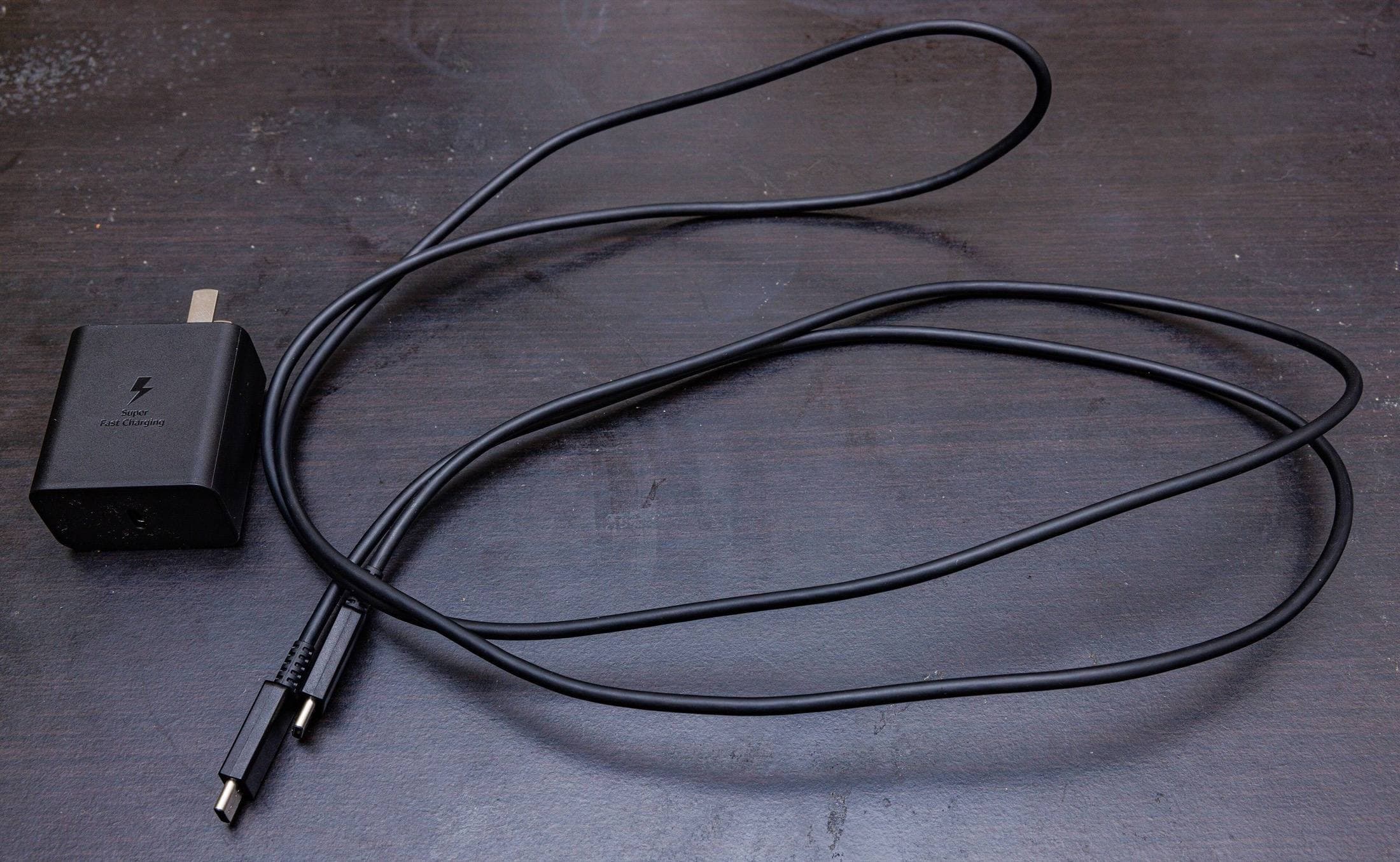
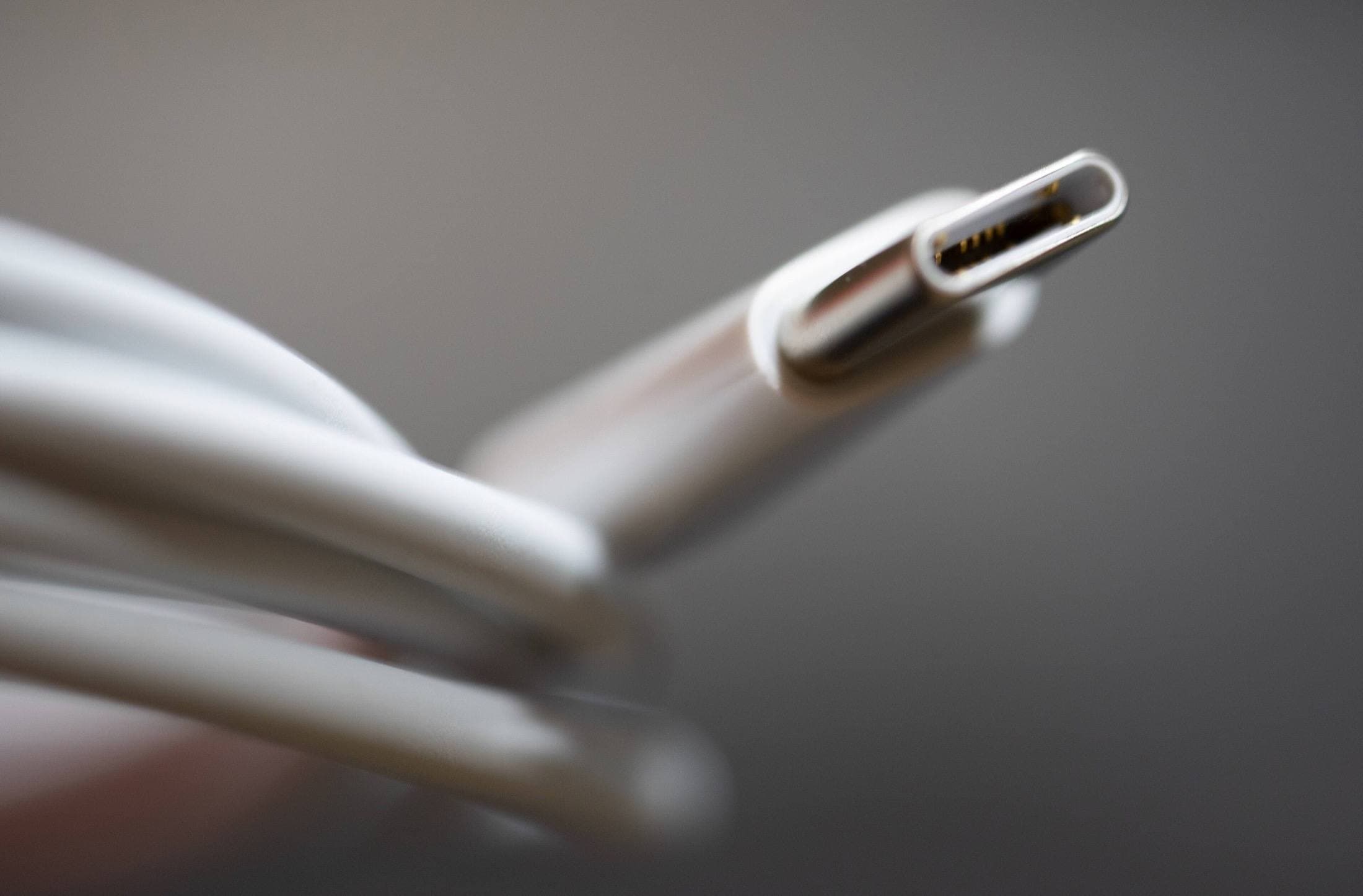
- one durable 2m USB-C cable.
This combination handles most real-world scenarios without overpacking.
Why this bundle beats "max wattage" shopping
Many buyers chase single-number wattage marketing and ignore how power is delivered across ports and devices.
What matters in travel use is:
- stable single-port output when your iPad needs fast recovery,
- predictable multi-port split when charging phone and iPad together,
- thermal behavior during long sessions,
- cable reliability under frequent packing and bending.
A lower-noise system with clear power rules is usually better than a high-spec charger with unclear split behavior.
Recommended picks and role logic
| Role | Pick | Why it matters |
|---|---|---|
| Wall charger | Anker 736 Nano II 100W[2] | Keeps one high-output port available while still supporting multi-device travel charging. |
| Power bank | Anker 737 Power Bank | Gives practical runway when outlets are unavailable for hours. |
| Cable | Anker USB-C Cable (2m) | Reaches inconvenient outlets in transit hubs and hotel rooms. |
You can swap brands if specifications and reliability match. The role logic stays the same.
Choosing wall charger output by travel behavior
Light travel drawing (short sessions)
If you draw in short bursts and charge overnight, you can often survive with smaller adapters. But for inconsistent outlet access, 100W class gives more headroom and less charging anxiety.
Mixed-device travel (iPad plus phone or camera gear)
Here, split behavior matters most. Read the output table for one-port vs two-port use. If a listing does not show split behavior clearly, treat it as unverified.
Plugged-in creation sessions
When you draw while charging, thermal stability matters. A cooler charger and good airflow usually produce steadier charging than raw watt number bragging.
Power bank policy that avoids dead sessions
A power bank is insurance, not decoration.
Use it for:
- long transit segments,
- gate changes and delays,
- locations with limited outlets,
- backup during shared workspace conflicts.
Do not rely on random low-output banks for iPad drawing workflows. If the bank cannot sustain meaningful output, it becomes emergency phone power only.
Cable strategy: one primary, one backup
Cable failures are still one of the most common travel breakpoints.
Use this policy:
- one primary 2m cable for daily charging,
- one short backup cable in the same pouch,
- no loose cable pile with unknown health.
The long cable is not luxury. It is a practical fix for badly placed outlets near hotel furniture, cafe benches, and airports.
Packing discipline that keeps kit reliable
A compact power kit is only useful if you can access it instantly.
- Keep all three core items in one pouch.
- Return every item to the same pouch location after use.
- Label your primary cable.
- Avoid mixing personal and borrowed cables.
This sounds simple, but this routine prevents most "I thought I packed it" failures.
Heat management on the road
Heat can reduce charging behavior and battery comfort during long sessions.[3][4]
Practical rules:
- avoid charging in direct sunlight,
- do not sandwich charger and power bank under fabric,
- if iPad gets hot during export and charging, reduce screen brightness temporarily,
- give charging gear airflow during long desk sessions.
Stable thermals are often the difference between smooth work and repeated battery stress.
Travel scenarios and how the kit adapts
Airport layover workflow
- use power bank first near crowded gates,
- switch to wall charger when a stable outlet appears,
- keep cable attached to one source at a time for clean handoff.
Hotel nightly reset workflow
- wall charger powers iPad and phone overnight,
- power bank recharges second,
- verify all gear is back in pouch before sleep.
Cafe session workflow
- prioritize outlet seat only if battery is below your next session target,
- use long cable to avoid seat reshuffles,
- avoid placing heavy gear where staff traffic can pull cables.
What to skip in a travel kit
You can save money and space by skipping low-value extras.
Skip these unless your workflow proves they are needed:
- duplicate high-watt chargers,
- multiple premium cables with same role,
- oversized outlet accessories for short trips,
- device-specific charging gadgets you rarely use.
A lean, repeatable kit is better than a large speculative kit.
14-day travel test plan before finalizing purchases
Days 1 to 4: baseline
Use your current gear and log each charging interruption.
Days 5 to 8: core kit only
Use only charger, power bank, and one primary cable. Remove all extras and see if issues disappear.
Days 9 to 11: stress test
Run iPad plus phone charging during active use. Confirm split behavior remains acceptable.
Days 12 to 14: lock final pack list
Keep only items used at least twice during the test period. Everything else stays home.
Common travel charging mistakes
Mistake 1: buying by total wattage only
Total output does not guarantee useful per-port output.
Mistake 2: no backup cable
One damaged cable can end the entire workflow day.
Mistake 3: random cable rotation
Unknown cables introduce unknown behavior. Keep a controlled cable set.
Mistake 4: no pouch system
Loose gear causes loss, damage, and setup delays.
Final decision framework
Before you buy or replace any travel power item, ask:
- Does this solve a repeated travel failure?
- Will this be used in at least two travel scenarios each month?
- Does it replace an existing item or only add weight?
- Can I verify real output and split behavior from trusted specs?
If you cannot answer yes to most of these, skip the purchase.
Bottom line
Power reliability is workflow reliability.
For iPad artists, the highest-value travel setup is a three-piece system you can trust: one strong wall charger, one serious power bank, and one durable long cable. Keep the kit compact, keep it consistent, and your travel sessions stay productive even when everything else is variable.
Product visuals
Sources
Recommended gear
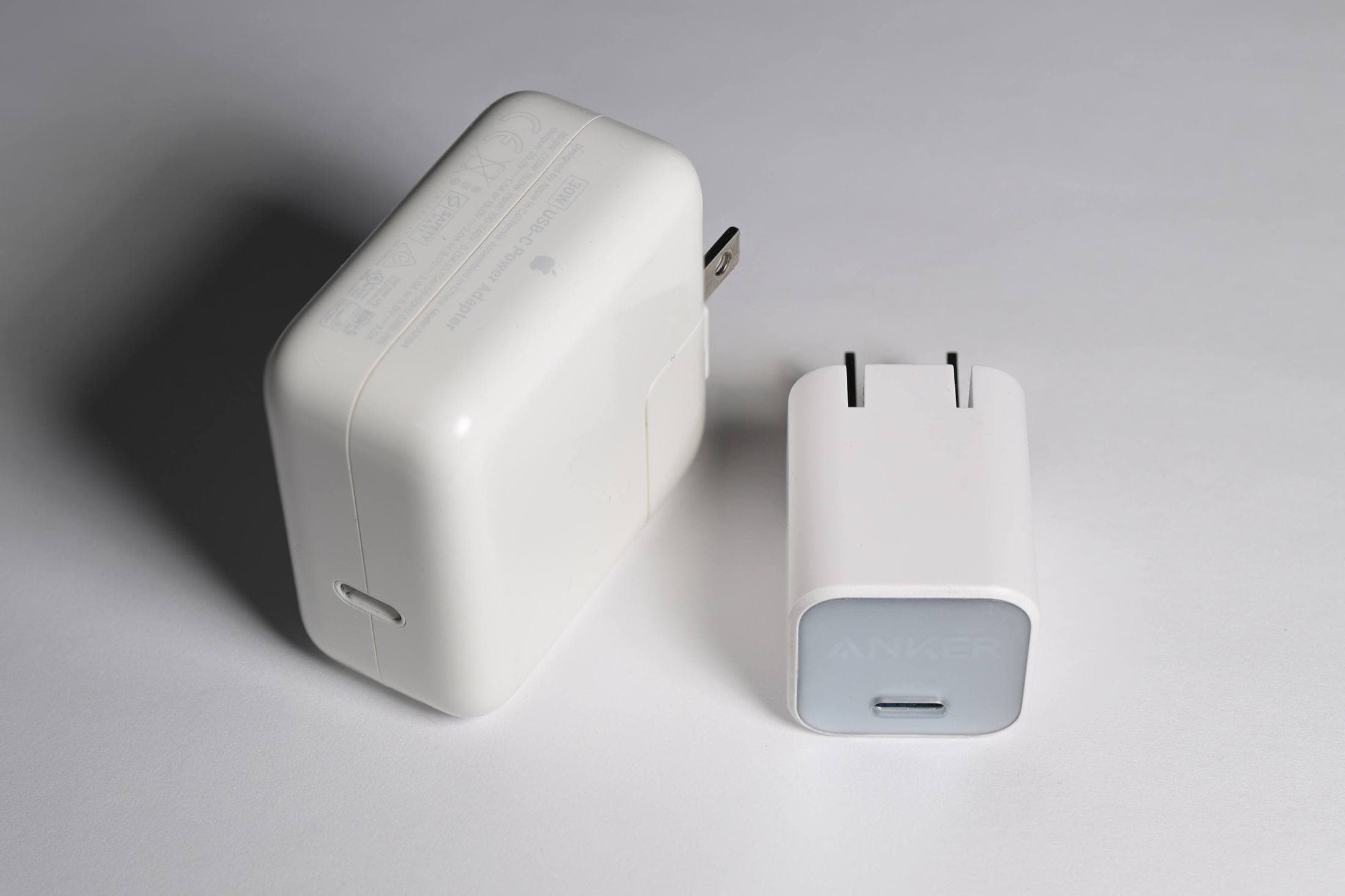
Anker 736 Charger (Nano II 100W)
amazon.comA practical multi-device charging brick for iPad workflows. Great utility, with expected port-sharing tradeoffs.
Pro: Strong multi-device travel charging profile
Con: Larger than compact 65W bricks
Check per-port split table before buying, not only max total wattage.
Anker 737 Power Bank (24K)
amazon.comPro: High output and enough capacity for iPad travel days
Con: Heavier than slim emergency banks
Confirm watt-hours remain airline-compliant for carry-on travel.
Anker USB-C to USB-C Cable (2m)
amazon.comPro: Practical length and solid durability
Con: Longer cable can be slower for high-speed data on some models
Carry one short cable and one 2m cable for travel flexibility.
iPad (A16, 11th gen)
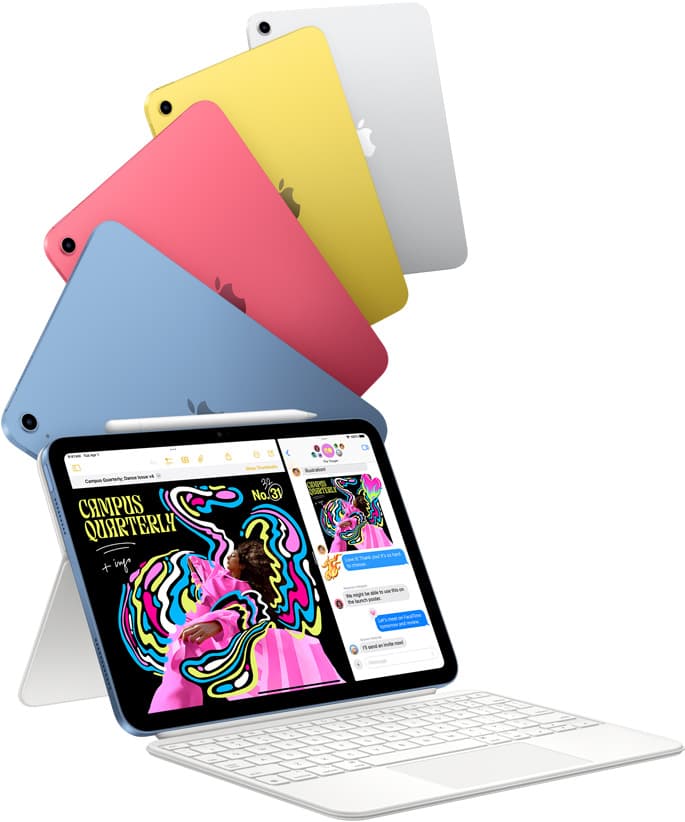
amazon.comThe best entry iPad for most artists on a budget. It is not premium, but it is very hard to beat on value.
Pro: Best value iPad right now
Con: No ProMotion display
Search opens with the exact model keywords. Verify size and storage before checkout.
iPad Air (M4)
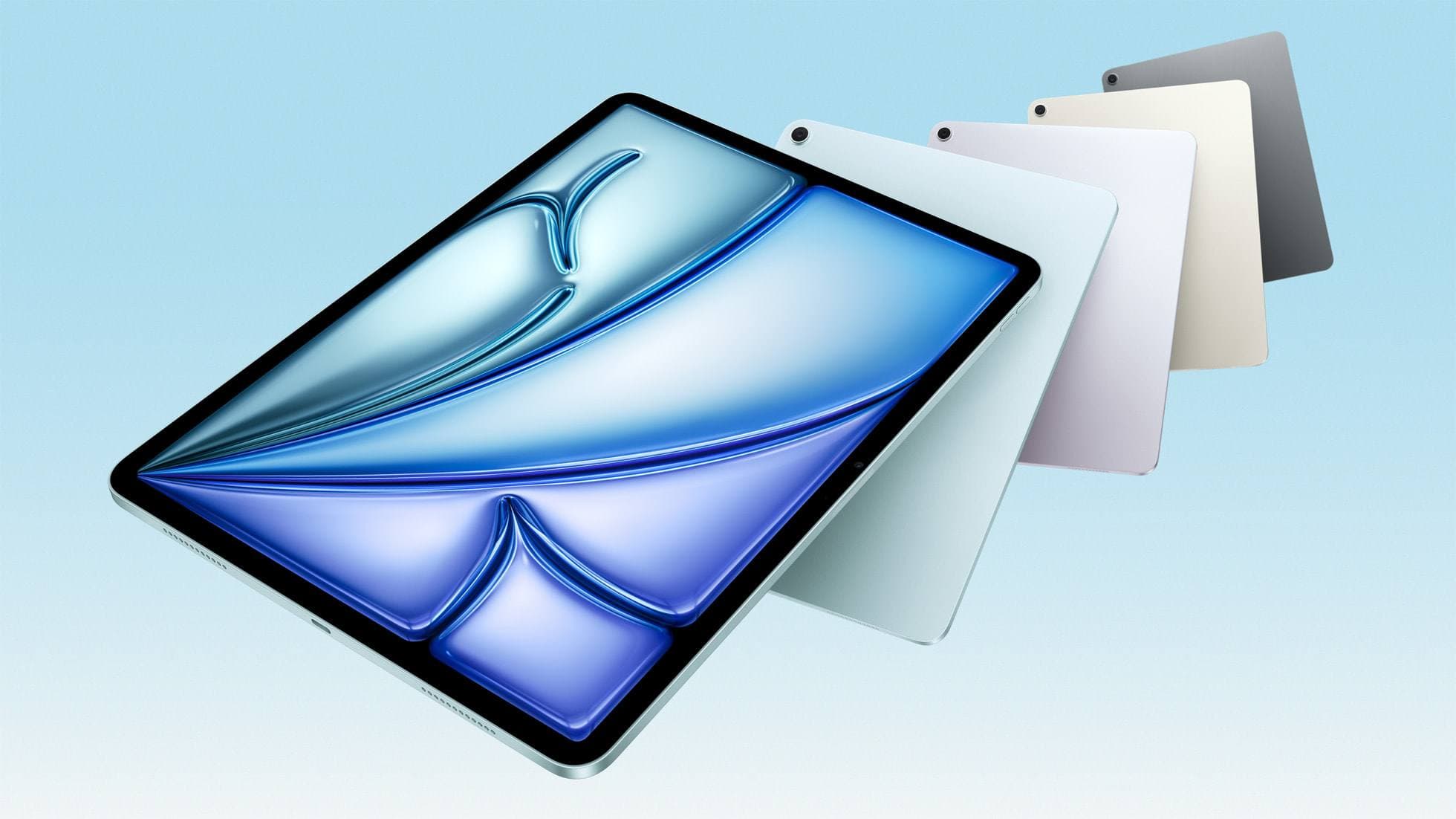
apple.comThe clean current Air recommendation for most serious hobby artists. Stronger buy logic than old-stock M3 when pricing is close.
Pro: Best current balance of price, headroom, and Pencil support
Con: Still 60Hz
Current Air lineup. Choose size, storage, and keyboard path before checkout.
Related buying picks
More in this collectionBuyer guide
Best iPad mini Accessory Bundle for Drawing (2026)
iPad mini is strongest when you keep the setup light. This buyer guide picks three pieces that add utility without killing portability.
Buyer guide
Best USB-C Chargers for iPad Artists (2026): Wattage, Heat, and Real Speed
For iPad artists, charger quality matters more than max wattage marketing. Buy by single-port output, heat behavior, and split-power rules.
Buyer guide
Best iPad Cases for Artists (2026): Protection, Weight, and Draw-Angle Tradeoffs
The right iPad case for art is a balance between corner protection, bag weight, and a stand angle that does not wobble while you draw.
Buyer guide
Best iPad Air Accessory Bundle for Artists (2026)
If you already chose iPad Air, this is the highest-ROI accessory stack for drawing, writing, and portable work.